 Download KrispCall
Missed Call Revenue Loss Calculator
Missed Call Revenue Loss Calculator
Find out how much revenue your business is losing to unanswered calls, and see it broken down by week, month, and year.
Adjust the sliders or enter your figures directly. Your estimate updates instantly.
$3,150 - $4,500
A conservative-to-optimistic estimate based on the figures you entered
That could mean $37,800 – $54,000 a year in revenue tied to calls your team did not answer.
Cancel any time. 14 days unconditional refund.
Used by 9,000+ businesses to keep every business conversation reliable













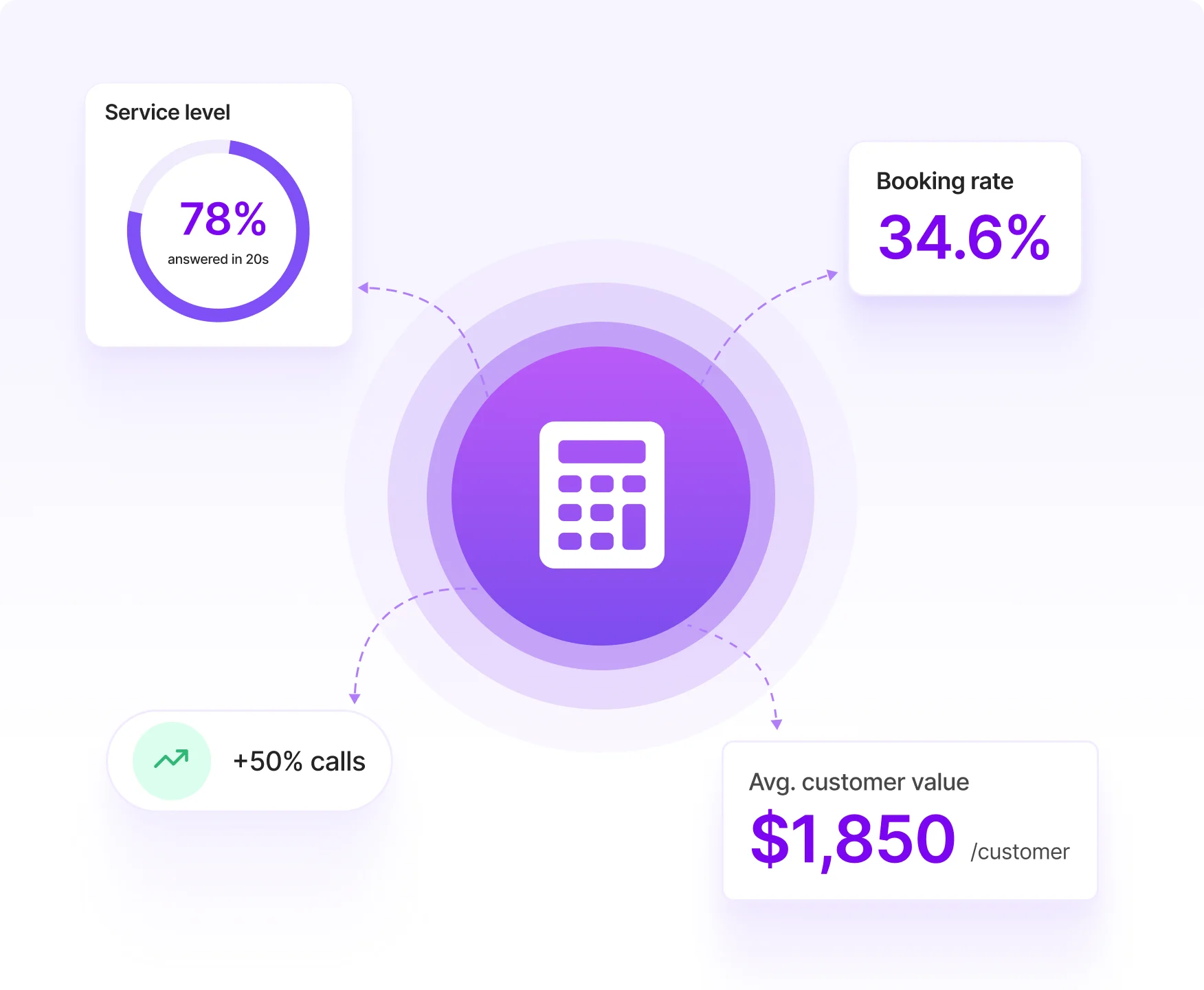
What Does a Missed Call Revenue Calculator Show
A missed call revenue calculator estimates the value attached to unanswered calls. It combines your missed call volume, booking rate on answered calls, and average customer value to show a practical weekly, monthly, and annual range.
Missed calls often point to routing gaps, limited coverage, or slow response during peak hours. Use this estimate alongside call analytics or an Erlang C calculator to compare the potential revenue impact with the cost of improving coverage.
How The Missed Call Revenue Estimate Works
The estimate uses three figures your phone system or CRM may already track.
Example: A clinic misses 120 calls a month. If 25% of answered calls become appointments worth $150 each, the full-rate estimate is 120 × 0.25 × $150 = $4,500 per month. The calculator also shows a more conservative estimate to account for missed callers who may not have converted.
Why the calculator shows a range: Not every missed caller would have converted at your normal booking rate. The lower estimate applies 70% of that rate, while the upper estimate applies the full rate. Treat the result as a planning range, not guaranteed lost revenue.
How to Use This Calculator
Once the calculator runs, here’s what each part of your contact center staffing plan means.
Pull your missed calls per month
Check your call reports or analytics dashboard. Use one consistent definition that includes unanswered calls, voicemails, and after-hours misses.
Set your booking rate on connected calls
Use the percentage of answered calls that become a customer, booking, or sale. Pull it from your CRM or review a recent sample instead of relying on a broad industry average.
Enter your average value per booked customer
Use first-sale value, average job value, average order value, or customer lifetime value. Choose one definition and use it consistently whenever you rerun the calculator.
Read the range, not just one number
The calculator shows a conservative-to-optimistic range because not every missed caller would have converted. Use the lower end for planning and the upper end to understand total exposure.
Weigh the annual figure against the cost of fixing it
Compare the projected annual exposure with the cost of better routing, added staffing, or after-hours coverage. The gap between those numbers can help guide your next step.
Factors that affect your missed call cost
Your estimate changes as call volume, conversion rate, and customer value change. These are the factors that usually influence those numbers.
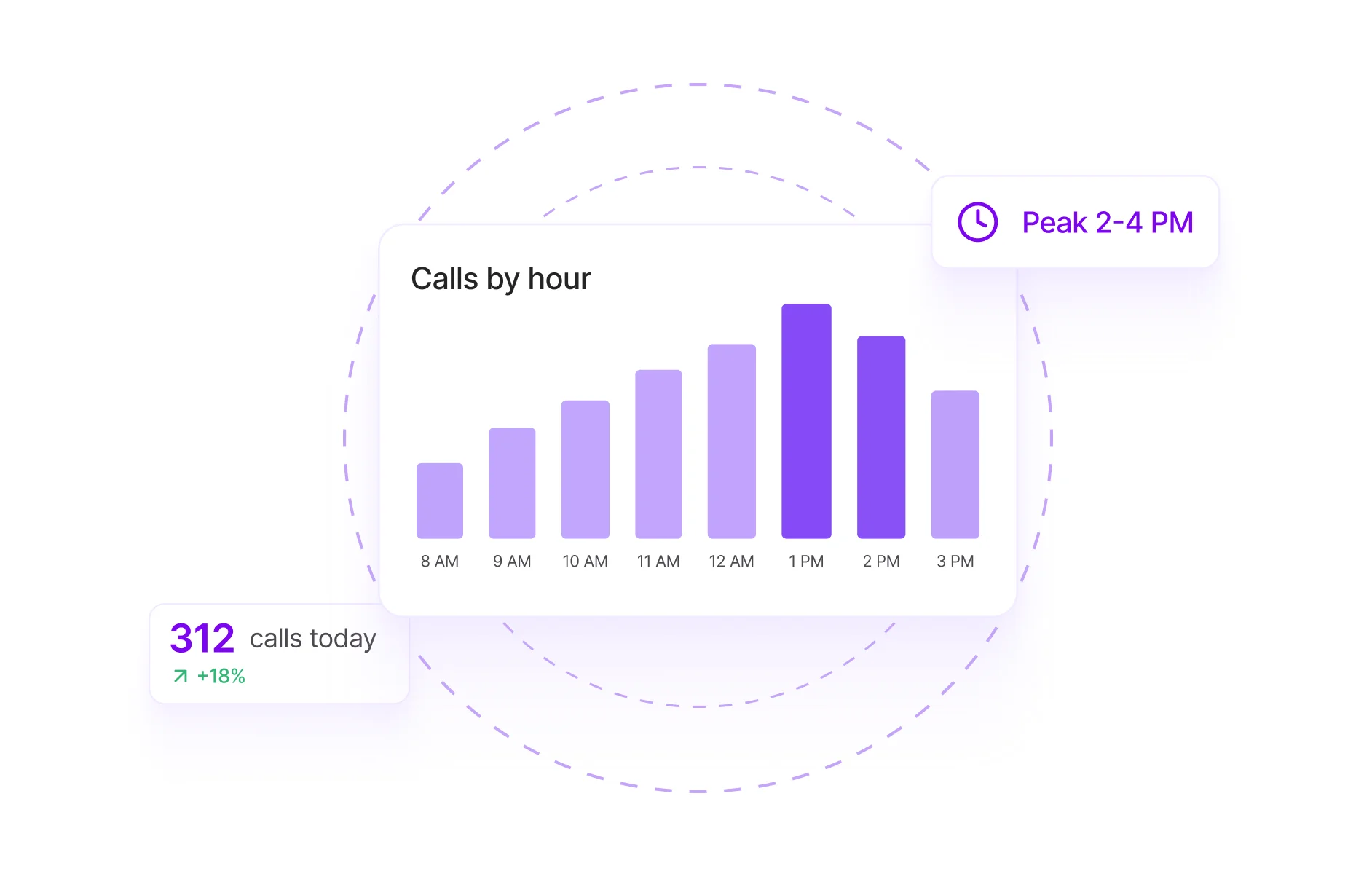
Call volume and peak timing
Missed calls often cluster during a few peak periods. Reviewing call volume by hour helps you plan coverage for the times when customers are most likely to reach out.
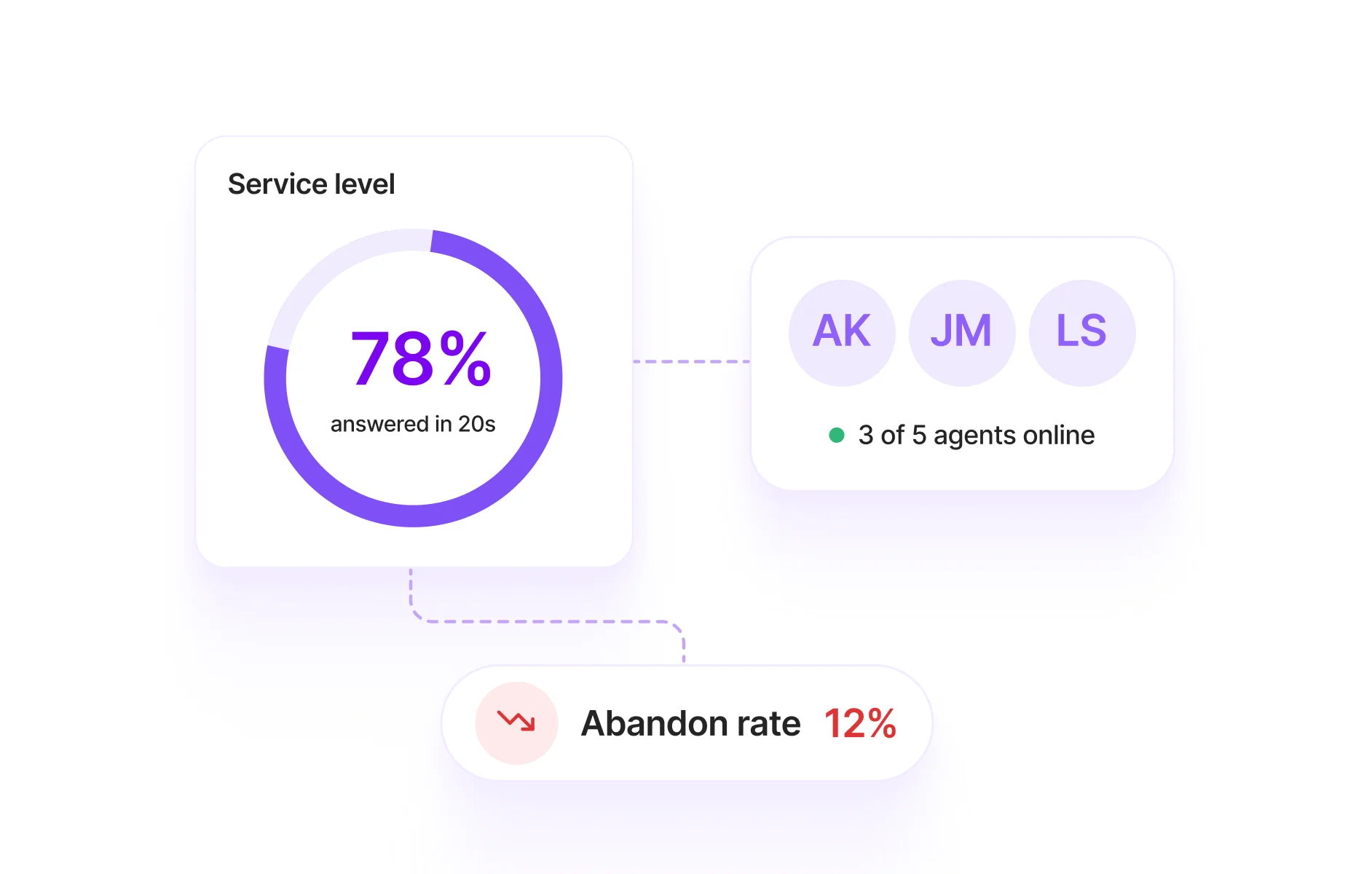
Staffing and service level
Limited coverage often appears first as slower answer times and higher abandonment. Tracking service level and missed calls together can reveal where staffing or routing needs attention.
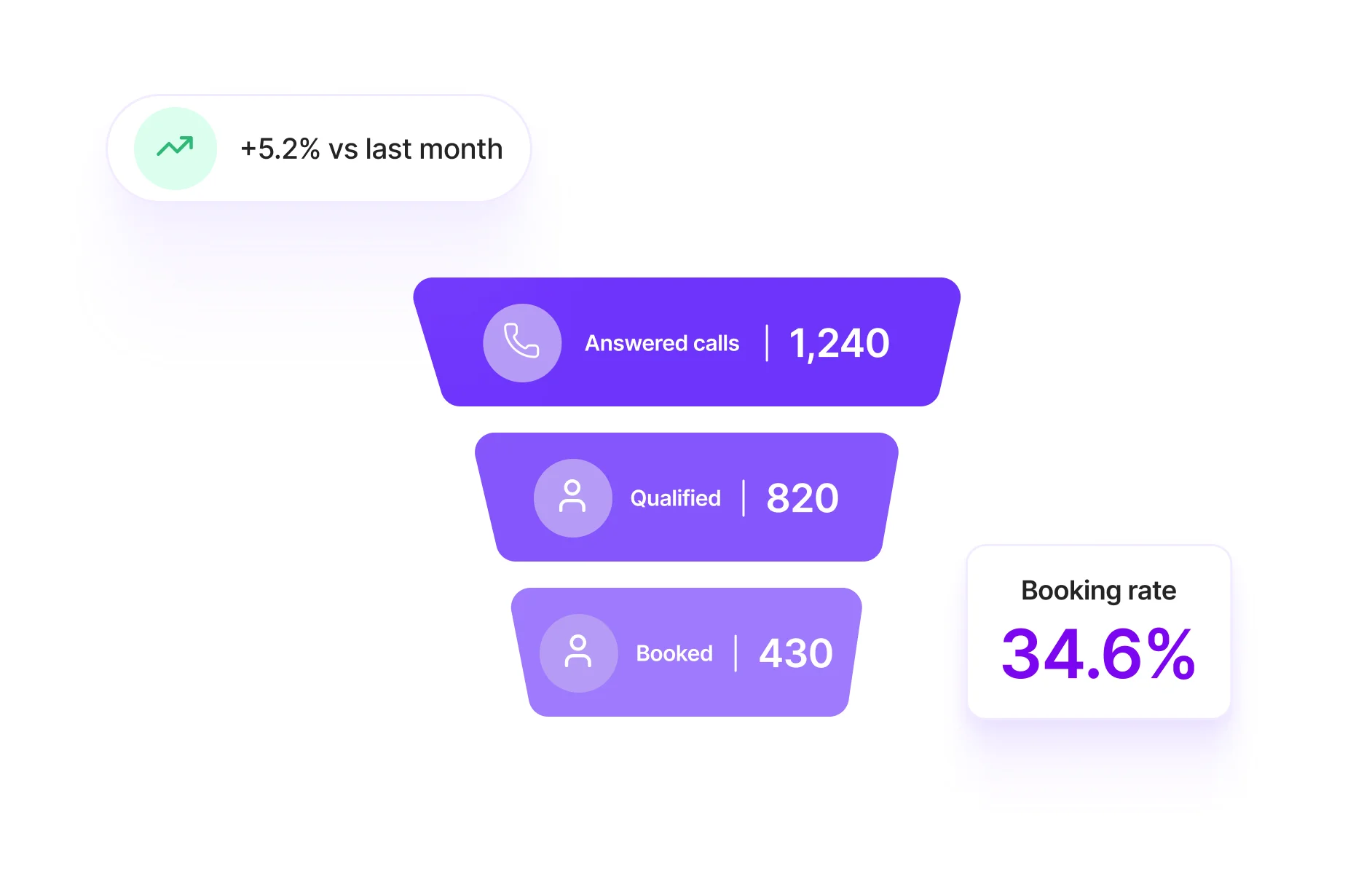
Booking rate on answered calls
A higher booking rate increases the value attached to each unanswered call. Teams that convert more answered calls generally have more to gain from improving call coverage.
Average value per customer
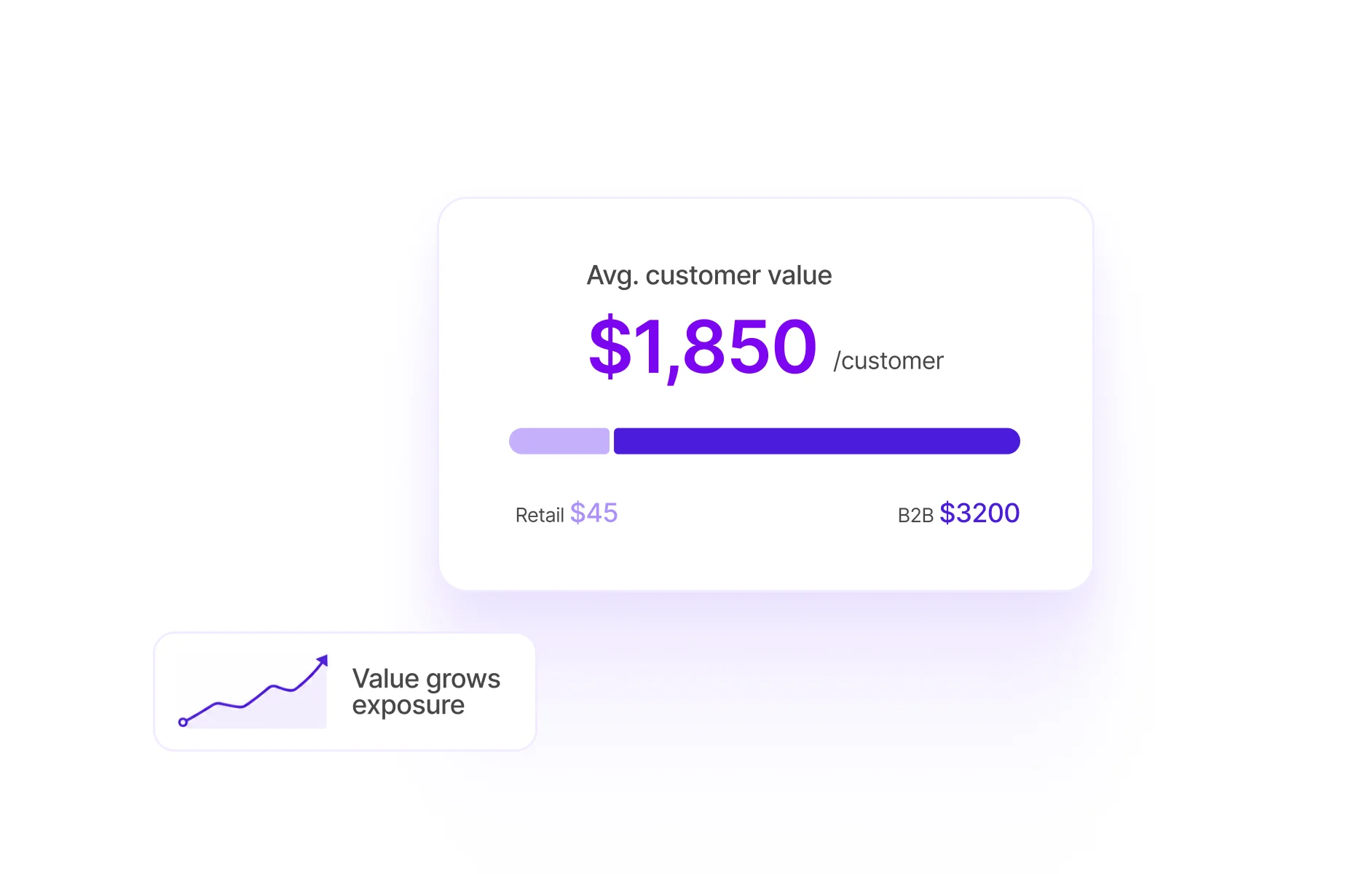
Average customer value scales the entire estimate. The same missed-call volume can create very different exposure for a low-ticket retailer and a high-value B2B sales team.
After-hours and weekend coverage
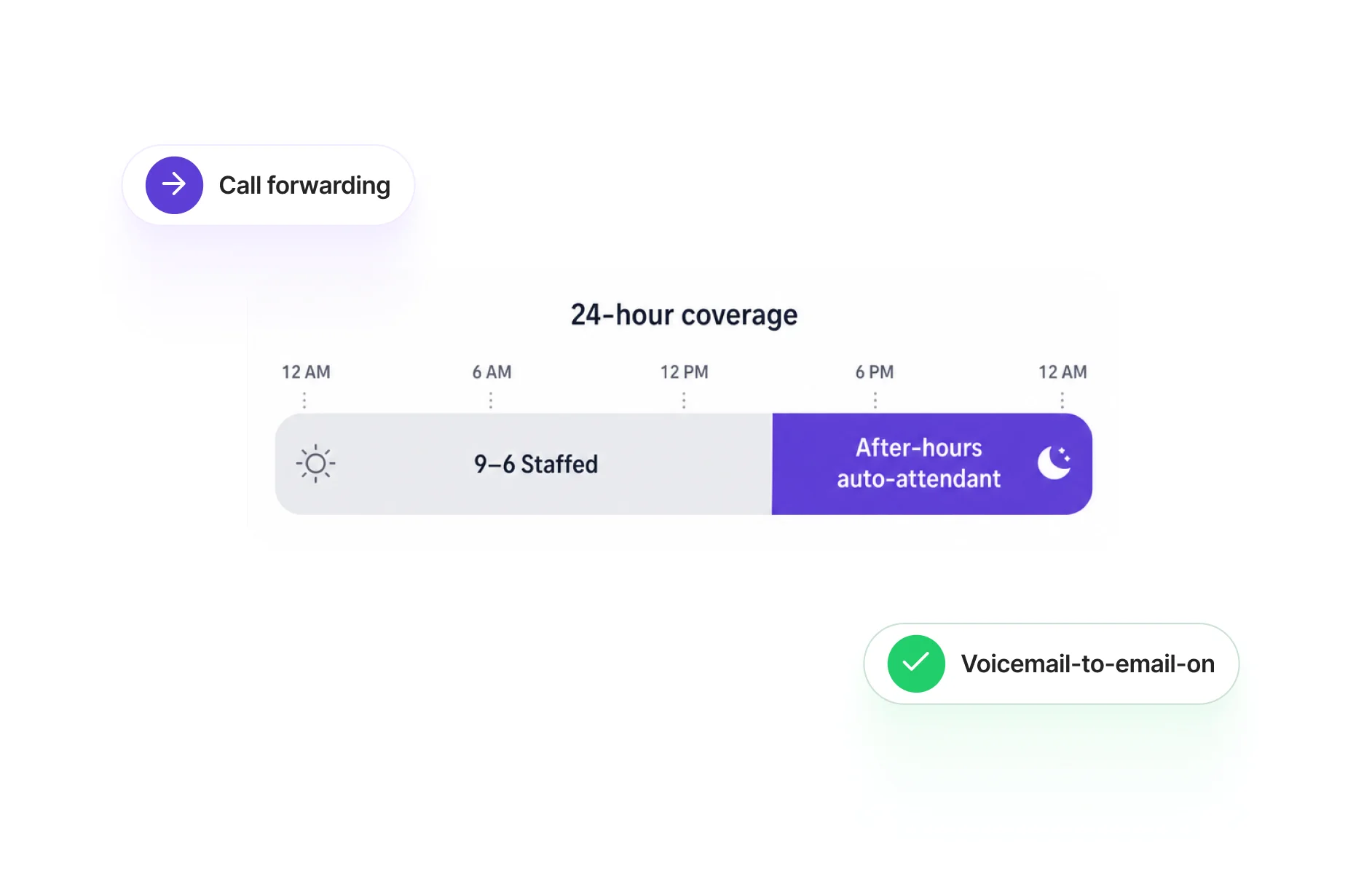
Calls outside regular business hours often go to voicemail or ring out. Auto attendants, forwarding rules, and additional coverage can help reduce those gaps.
How KrispCall helps reduce missed calls
Use these tools to route calls more effectively, respond faster, and improve follow-up.
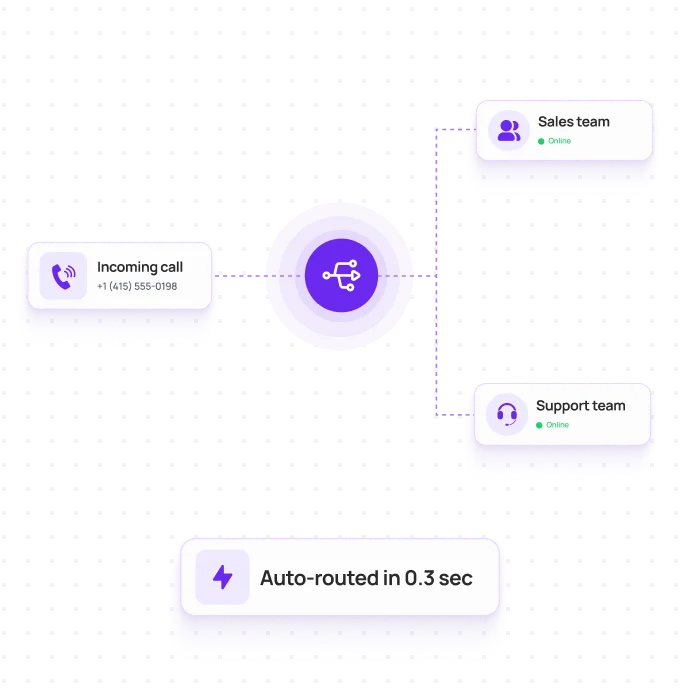
Route every call intelligently
Send incoming calls to the right available agent instead of relying on one person or device.
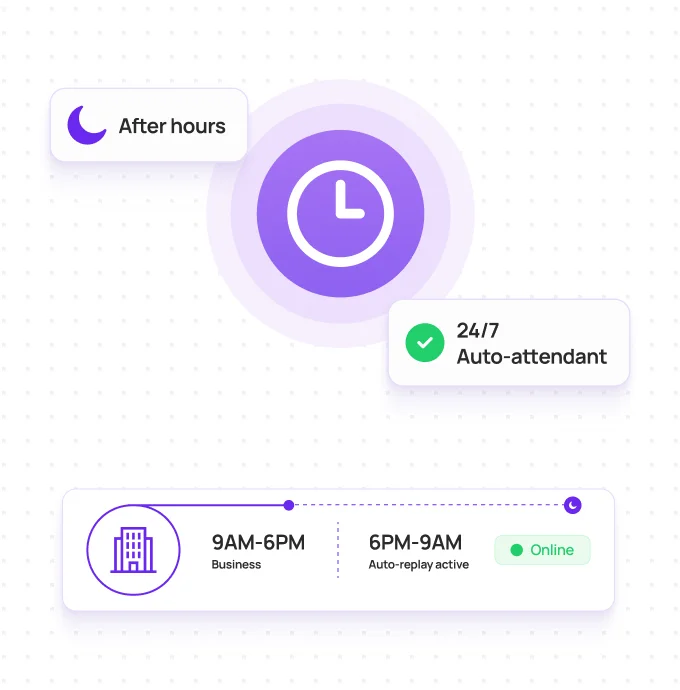
Extend coverage beyond business hours
Use an auto attendant, forwarding rule, or voicemail workflow to keep calls moving after hours.
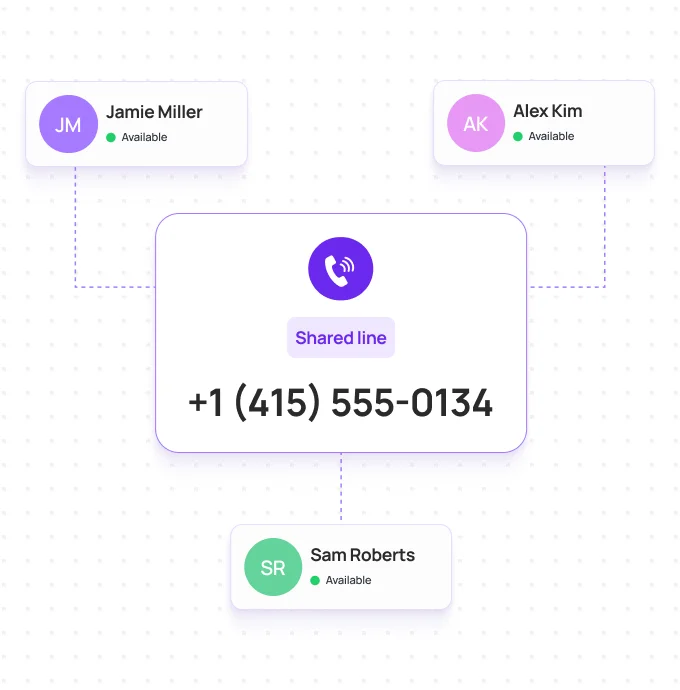
Let your team share one business number
Allow multiple agents to answer through one shared number, reducing dependence on a single teammate.
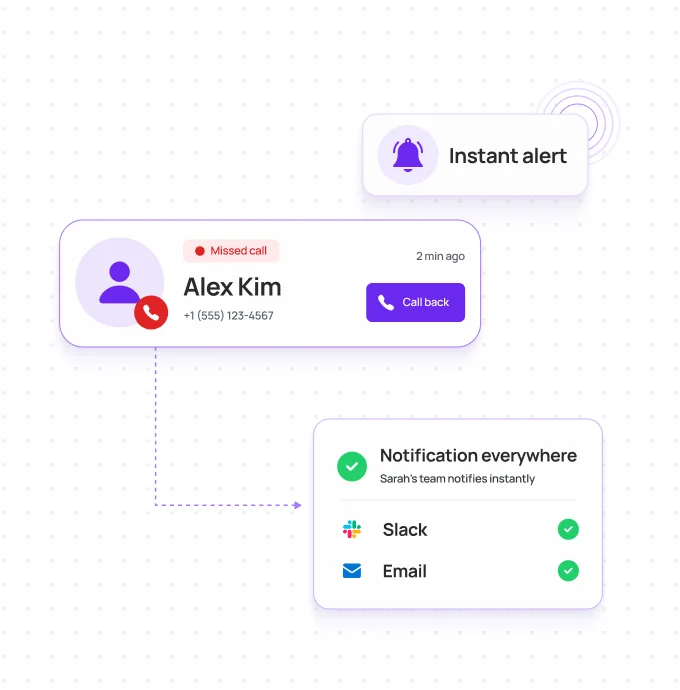
Respond quickly with missed-call alerts
Notify the right teammate immediately so callbacks happen while the caller's intent is still high.
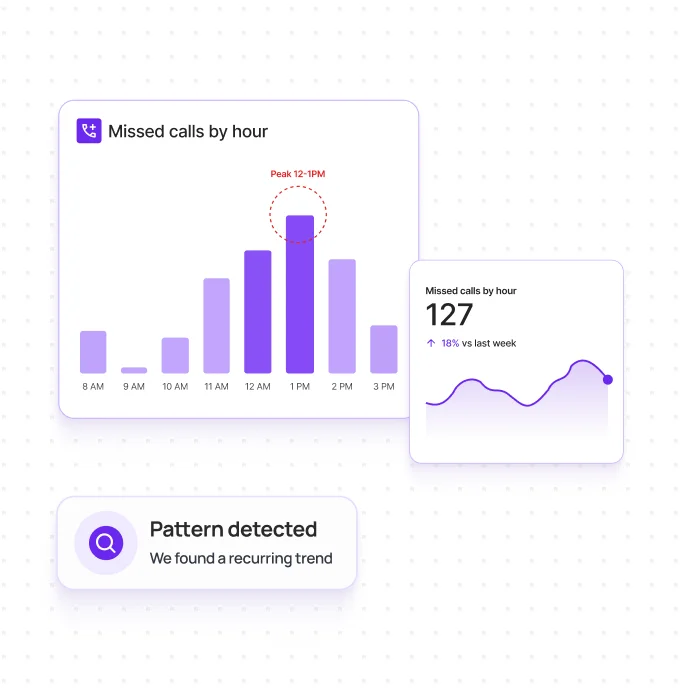
Find missed-call patterns in analytics
Review missed calls, answer rates, and peak hours so routing and staffing decisions are based on real activity.
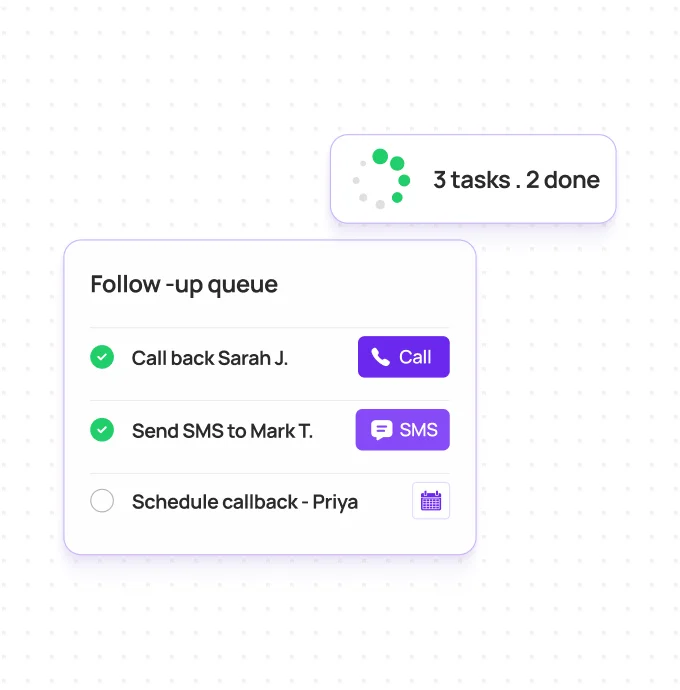
Make missed-call follow-up easier
Organize callbacks and follow-up tasks so busy periods do not create an unmanaged lead backlog.
Keep missed calls visible in your CRM
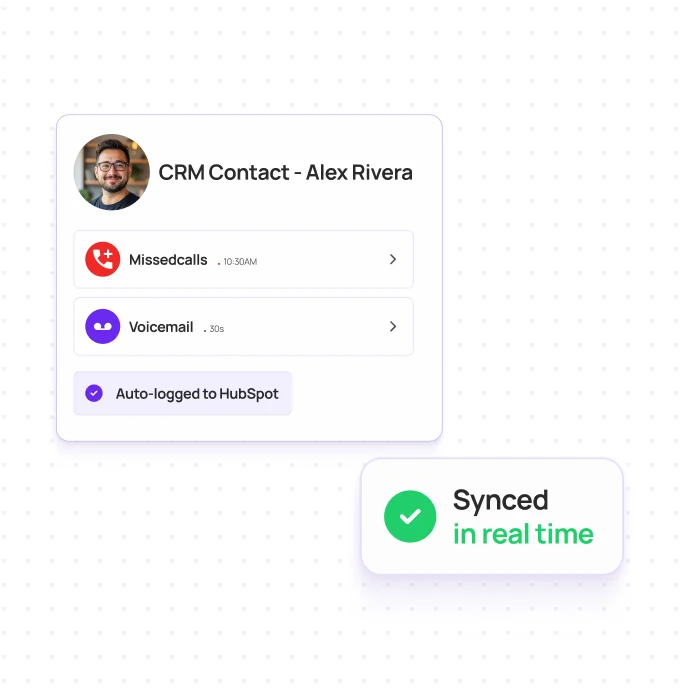
Log call activity against contacts in supported CRMs so follow-up does not depend on manual notes or memory.
Illustrative missed-call impact by industry
Call volume, conversion rate, and customer value vary widely by industry. The examples below are illustrative only. Use your own data in the calculator for a more relevant estimate.
Business type |
Missed calls / mo |
Booking rate |
Avg. value |
Monthly loss |
|---|---|---|---|---|
Home services |
90 |
30% |
$400 |
$10,800 |
Real estate |
60 |
15% |
$3,500 |
$31,500 |
Medical / dental |
150 |
40% |
$180 |
$10,800 |
B2B sales team |
75 |
10% |
$1,200 |
$9,000 |
Ecommerce support |
200 |
20% |
$85 |
$3,400 |
Peak demand can expose coverage gaps
A home services team that misses 90 calls a month, converts 30% of answered calls, and earns $400 per job could have up to $10,800 in monthly revenue associated with unanswered calls.
Fewer calls can still carry high value
A real estate team may miss fewer calls, but a higher average commission can make each unanswered opportunity more significant.
Small call gaps can affect valuable pipeline
A B2B sales team with a modest booking rate can still have meaningful exposure when each converted opportunity carries a higher average value.
Practical ways to reduce missed calls
Set a target miss rate
Set a realistic missed-call target using your current baseline, then track progress by team, number, and time of day.
Review your peak hours
Review call volume by hour and day to identify the periods responsible for the largest share of missed calls.
Add overflow coverage
Forward unanswered calls to another agent, team, or number before they reach voicemail.
Call missed numbers back same day
Prioritize same-day callbacks and give each missed call a clear owner, status, and follow-up time.
Frequently Asked Questions
Didn’t find the Answer you were looking for? Visit our Help Center or Contact Support
Use your own conversion rate from answered calls. Pull it from your CRM or calculate it from a recent sample of connected calls and completed bookings or sales.
Include voicemail calls when the caller did not speak with a teammate. Keep your definition consistent whenever you compare results over time.
No. The Erlang C calculator tells you how many agents you need to hit a service level. This tool estimates the revenue impact of the calls you’re already missing, regardless of staffing.
It’s only as accurate as the numbers entered, which is why the result shows a conservative-to-optimistic range rather than one precise figure. Pull your missed call count and booking rate from real data where possible, rather than estimating both.
Start by reviewing when calls are missed. Routing rules, overflow coverage, after-hours handling, and faster callbacks are common first improvements.
Check your phone system’s call reports or analytics dashboard for metrics labeled missed calls, unanswered calls, or abandoned calls. In KrispCall, this breaks down by number, agent, and time of day, which also helps you spot when most misses happen.
Review a recent sample of answered calls and divide the number of bookings or sales by the number of connected calls. Rerun the calculator when you have more reliable data.
Yes. Replace “booking” with a valuable support outcome, such as a retained subscription, prevented churn, completed renewal, or qualified upsell, and enter the average value of that outcome.
Turn More Incoming Calls Into real Opportunities
Use intelligent routing, shared numbers, call analytics, and faster follow-up to reduce missed-call gaps across your team.
