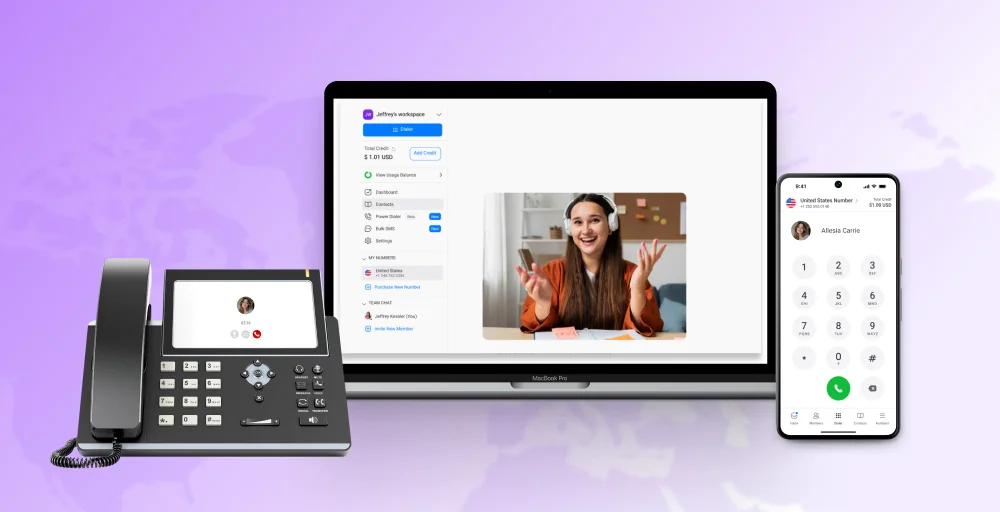



Your office is buzzing; calls are coming in, teams are in mid-conversation, and deadlines are closing in. Then suddenly, the power cuts out and your entire VoIP operations stop working.
If your operations depend on internet-based calling, a VoIP power outage isn’t just inconvenient; it’s disruptive.
This blog outlines the core causes of VoIP power outages and practical steps to manage them to prevent future disruptions by implementing the right systems and strategies.
✨ Key Takeaways
- Getting a backup power solution or switching to a secondary ISP allows you to deal with a VoIP power outage effectively.
- The main causes of VoIP power outage are natural disasters, a limited backup power supply, equipment failure, and high dependency on electricity.
- Preventing outages includes selecting a trustworthy VoIP provider and keeping a backup ISP.
What causes a VoIP power outage?
There are many reasons why a VoIP outage occurs, and some of the main reasons are:
1. Electricity dependence
To operate devices like routers, modems, and IP phones, VoIP systems depend on electrical energy. Unlike traditional landlines, which draw current from the phone provider’s central office, VoIP requires an uninterrupted electric current, making it vulnerable to even short-term outages.
When a power cut strikes, your VoIP connection can drop instantly. The result? Missed calls, halted operations, and a breakdown in business communication that many teams can’t afford.
2. Natural disaster
Storms, floods, and earthquakes don’t just take out connectivity, but they also damage internet lines and network equipment. Since VoIP is delivered over the internet, it’s especially sensitive to this kind of disruption.
Natural disasters also strain the very services that keep VoIP functioning. Power restoration and service recovery can take some time, which can magnify the risk for operations relying on VoIP service to maintain customer contact.
3. Equipment failure
Every piece of VoIP equipment in your setup plays a role in the call delivery. If a single modem or switch router fails, it can bring down your entire system. Without a fallback in place, a single fault can snowball into a full-scale VoIP outage.
Troubleshooting can be time-consuming, and replacement parts may not be readily available. Companies that lack redundant equipment or instant failover setups often suffer the longest downtimes during such failures.
4. Backup power supply limitations
Backup systems, such as UPS units and generators, offer short-term protection, but they’re not a permanent solution. Some backups even fail to power essential network points like your ISP modem, leaving your VoIP phone service nonfunctional.
Even if you power your devices with backup systems, a neighborhood-level outage or ISP disruption will cut your service. These VoIP battery backup limitations highlight the need for a more comprehensive approach that considers both local and external failure points.
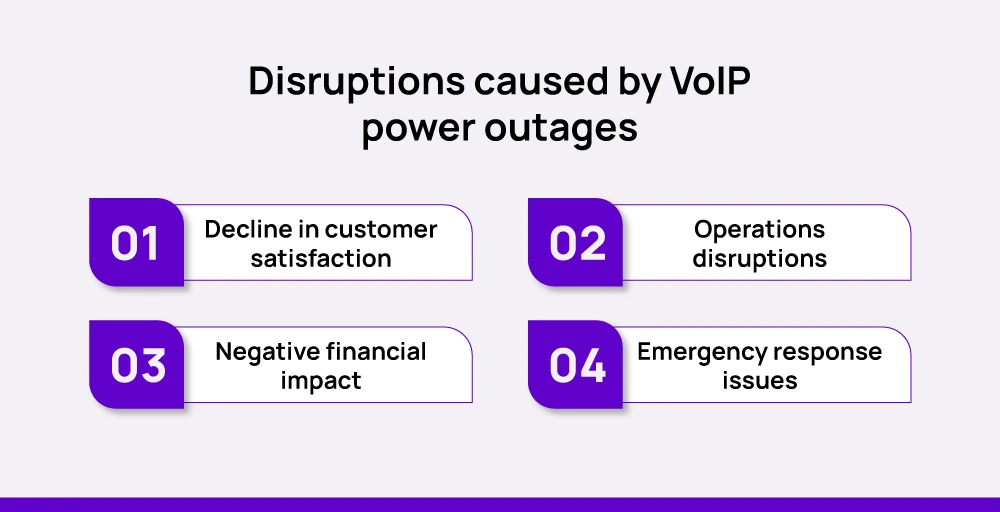
Disruptions caused by VoIP power outages
A digital telephone outage can create immediate consequences across key areas of your organization. From frustrated customers to lost revenue, the impact of even a short interruption can ripple through every aspect of an operation.
1. Decline in customer satisfaction
When your VoIP phone system goes down, customers experience dropped calls, unanswered lines, or are forced into voicemail. These sudden issues can lead to lost leads and frustrated clients, especially when they’re trying to reach you during peak service hours.
People expect reliability. A study reveals that 86% of customers will abandon a brand they trust after experiencing two or three negative interactions. This study shows that if customers can’t get through, they’ll move on, hurting your reputation and customer retention efforts.
2. Operations disruptions
A downed VoIP phone system interrupts real-time coordination between departments, delays approvals, and forces teams to scramble for alternatives. For distributed teams, especially those managing logistics or support, the ripple effect can be immediate and widespread.
Without a functional line of contact, decisions stall and productivity takes a hit. Whether you’re running a call center or a service-based team, Voice over IP failures can paralyze day-to-day operations.
3. Negative financial impact
Losing access to your VoIP system during critical hours is as frustrating as it is expensive. A missed call from a key client, stalled service delivery, or delayed team coordination may cost more than expected, especially for businesses that rely heavily on timely communication.
The financial toll isn’t just about missed sales; it often includes emergency IT interventions, last-minute recovery plans, and even reputational damage. Without a backup strategy, it’s surprisingly easy for small issues to snowball into major business disruptions.
4. Emergency response issues
In an emergency, timing is everything. When your phone systems are down due to a power outage, reaching the right person at the right moment becomes difficult, sometimes dangerously so. Delays in communication can result in missed alerts, slower response times, or confusion when quick decisions are required.
It doesn’t take a major disaster to feel the impact, either. Even small-scale technical failures can disrupt safety procedures or impede urgent coordination efforts. That’s why having reliable voice access during a power loss is an important part of their business continuity strategy.
How to deal with a VoIP outage?
Here are four key ways you can deal with a VoIP outage without impacting your daily operations:
1. Get a backup power solution
One of the first things to consider is a solid backup power setup. Even a basic uninterruptible power supply (UPS) can keep your VoIP system running long enough to wrap up calls or prevent damage from an abrupt shutdown.
While it won’t solve every issue, backup power gives you time to stay connected, protect VoIP equipment, and avoid chaos during short-term blackouts.
2. Rely on smartphones and apps
Many VoIP systems offer mobile apps that work independently when your system goes down. As long as your phone has cellular data or Wi-Fi, you can keep making and taking calls without skipping a beat.

It’s not a perfect substitute for a complete office setup, but it works well in a pinch. Teams can stay in touch, respond to clients, and carry on essential tasks even during disruption.
3. Use a cloud-based phone system
Switching to cloud-hosted VoIP systems gives you access to off-site infrastructure that’s usually backed by commercial-grade power and redundancy. When local outages occur, cloud platforms continue to run.
This setup separates your business from physical limitations. As long as one team member has internet access, they can keep the phone line open. You can get a dependable, scalable alternative to on-premise solutions with cloud-based systems.
4. Switch to secondary ISP
Sometimes the problem isn’t just power, it’s your internet provider going down with it. Having a backup Internet Service Provider (ISP), such as a 4G LTE or fiber connection, ensures that your VoIP phone service remains active even if your primary network fails.
This is especially useful during regional outages or service maintenance. A secondary ISP allows you to route calls through a different internet line, giving your business a fail-safe against total downtime.
Ways to prevent future VoIP power outages
In urgent situations requiring a dependable communications setup, VoIP outages can significantly harm customer relationships, operational productivity, and profits.
Here are a few ways to restore your systems swiftly during such outages.
1. Choose a trustworthy VoIP provider
Not all VoIP providers are created equally. Some offer stronger infrastructure and better backup systems, which can make a big difference during power interruptions or network failures. Choosing a provider with a solid track record of uptime and prompt support is a wise decision.
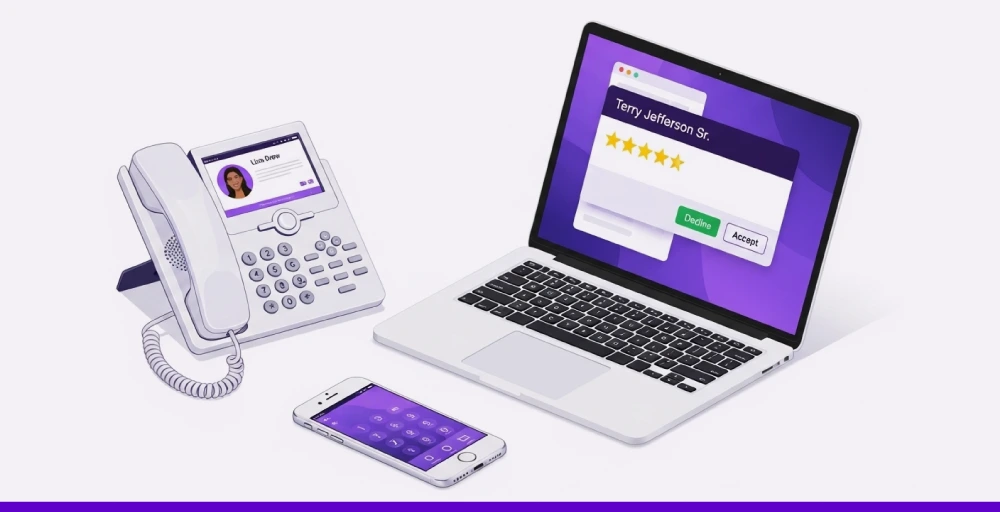
Providers like KrispCall, for instance, operate on a globally distributed network with automatic failover in place, helping to minimize service disruptions.
Still, it’s worth examining customer reviews, support experiences, and outage history before committing to a contract. The extra research can save you serious trouble down the line.
2. Forward calls to another office
If your main office goes dark, having call forwarding already set up can keep things running smoothly. For companies with remote teams or multiple locations, this simple step can make a big difference in how disruptions are handled.
Automatic call forwarding is especially useful as it reroutes incoming calls the moment your system goes down, so customers still get through without knowing anything’s wrong on your end. It’s one of those quiet tools that saves the day when systems fail.
Most VoIP services, like KrispCall, let you manage forwarding rules from an online dashboard. You can switch routes, assign fallback devices, and tweak settings on the fly, all without needing to be on-site. It’s a flexible way to stay reachable, even in a worst-case scenario.
3. Keep a backup ISP
Power backups are great, but they won’t help much if your internet provider goes down. That’s where having a secondary ISP comes in. Whether it’s a separate fiber line or a mobile LTE connection, this backup provides your system with an alternative way to stay online when the primary connection fails.

It’s a simple precaution that can make a big difference, especially if your business handles a high volume of calls or relies heavily on real-time communication. With a second ISP ready to kick in, you’re less likely to face total downtime when issues hit your primary connection.
Conclusion
A VoIP outage can do more than just interrupt your calls; it can slow down your entire business, erode customer confidence, and lead to unnecessary losses.
But with a few smart precautions, many of these problems can be avoided. Whether it’s investing in call forwarding, setting up power backups, or picking a provider that takes reliability seriously, there are plenty of ways to stay ahead of disruptions.
VoIP providers like KrispCall offer features designed with these challenges in mind, so you’re not left scrambling when the lights go out. If staying connected is critical to your business, it’s worth exploring what a well-prepared VoIP setup can do.